
Cost of Tree Canopy Thinning in Castle Rock, CO
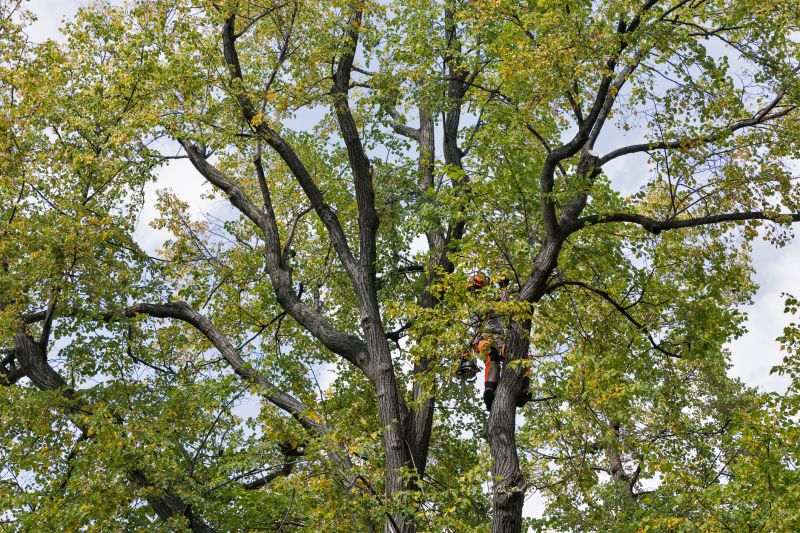
Tree canopy thinning in Castle Rock, CO typically involves reducing the density of branches and foliage to improve tree health, safety, or aesthetics. The final project costs can vary depending on factors such as the size and number of trees, the scope of thinning, selected materials, labor requirements, and specific site conditions. It is recommended to obtain detailed estimates that consider these variables for a clearer understanding of potential expenses.
While general price ranges can serve as a helpful starting point, it is important to recognize that costs for tree canopy thinning are influenced by the complexity of each project. Variations in tree species, accessibility, and existing landscape features can impact overall pricing. Consulting with local professionals can provide insights into typical costs and help compare options based on the specific needs of a site in Castle Rock, CO.
Typical Price Range
$1,200 - $2,800 (smaller scope)
$2,500 - $5,500 (moderate scope)
$4,000 - $9,000 (larger scope)
$1,500 - $3,200 (minor thinning)
$3,500 - $7,000 (extensive thinning)
| Project Type | Typical Range |
|---|---|
| Selective Thinning | $1,200 - $2,800 |
| Crown Thinning | $2,500 - $5,500 |
| Structural Pruning | $4,000 - $9,000 |
| Minor Thinning | $1,500 - $3,200 |
| Extensive Thinning | $3,500 - $7,000 |
| Stump Removal | $300 - $800 |
| Tree Removal | $1,000 - $3,500 |
Key Cost Factors
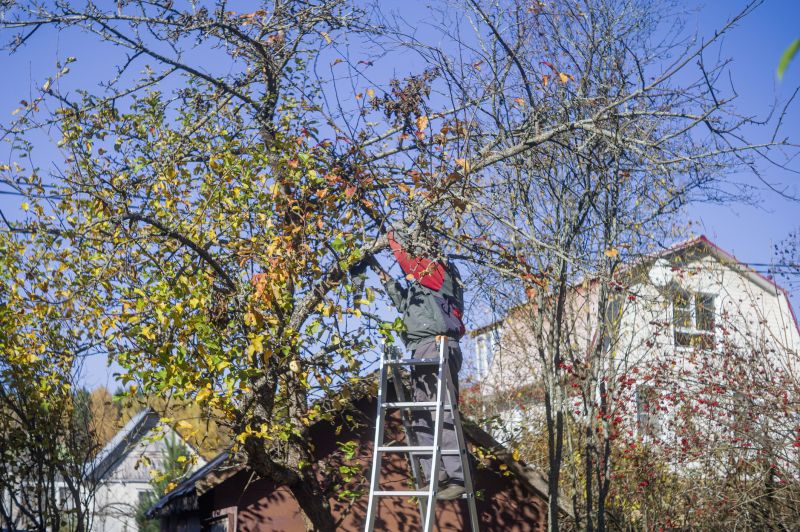
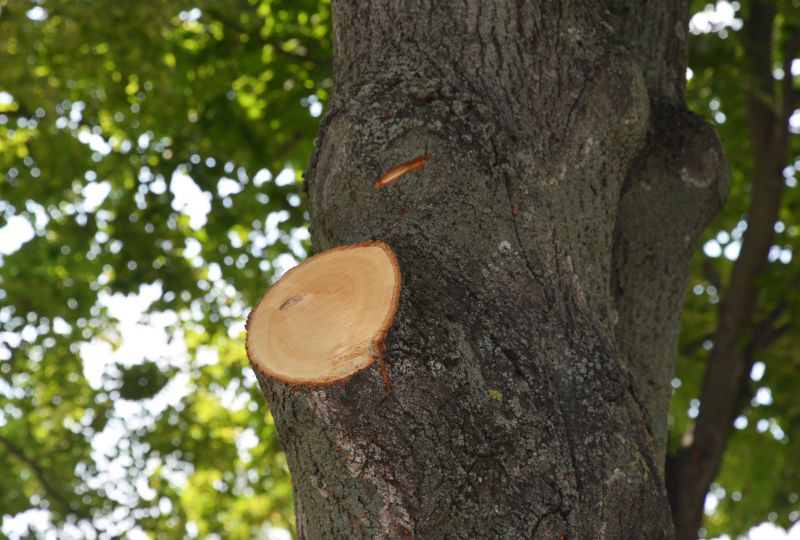
Tree canopy thinning in Castle Rock, CO, involves selectively removing branches or limbs to improve tree health, reduce risk, and enhance landscape appearance. This process can vary in scope and complexity depending on the size and condition of the trees involved. Understanding typical project considerations can help inform planning and budgeting for canopy thinning services.
- Materials: Use of pruning tools such as hand pruners, loppers, and saws; no specialized materials are typically required.
- Size and Scope: Ranges from light crown thinning on small to medium trees to extensive limb removal on larger specimens.
- Labor Complexity: Usually involves moderate skill; complexity increases with tree size and accessibility.
- Permitting: Generally, no permits are required for standard canopy thinning in residential areas of Castle Rock, but larger or heritage trees may require approval.
- Extras: Additional services might include debris removal, branch disposal, or health assessments, which can influence overall project costs.
Project Size and Scope
| Scope/Size | Typical Range |
|---|---|
| Small trees (up to 20 ft) | 10-20% canopy reduction |
| Medium trees (20-40 ft) | 15-25% canopy reduction |
| Large trees (over 40 ft) | 20-30% canopy reduction |
| Selective thinning (individual branches) | Varies based on scope |
In Castle Rock, CO, tree canopy thinning is often performed to improve light penetration and reduce wind resistance for mature trees.